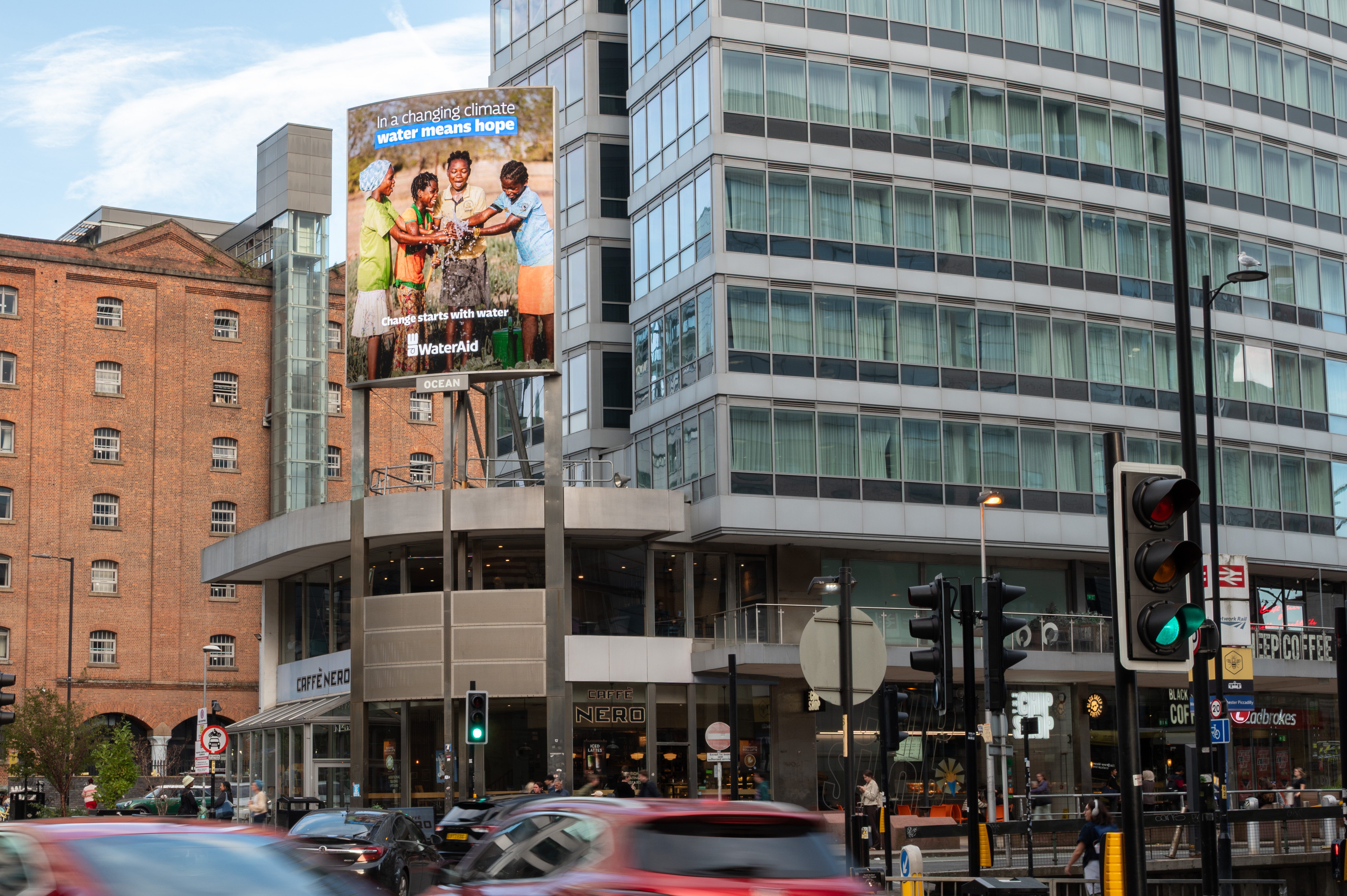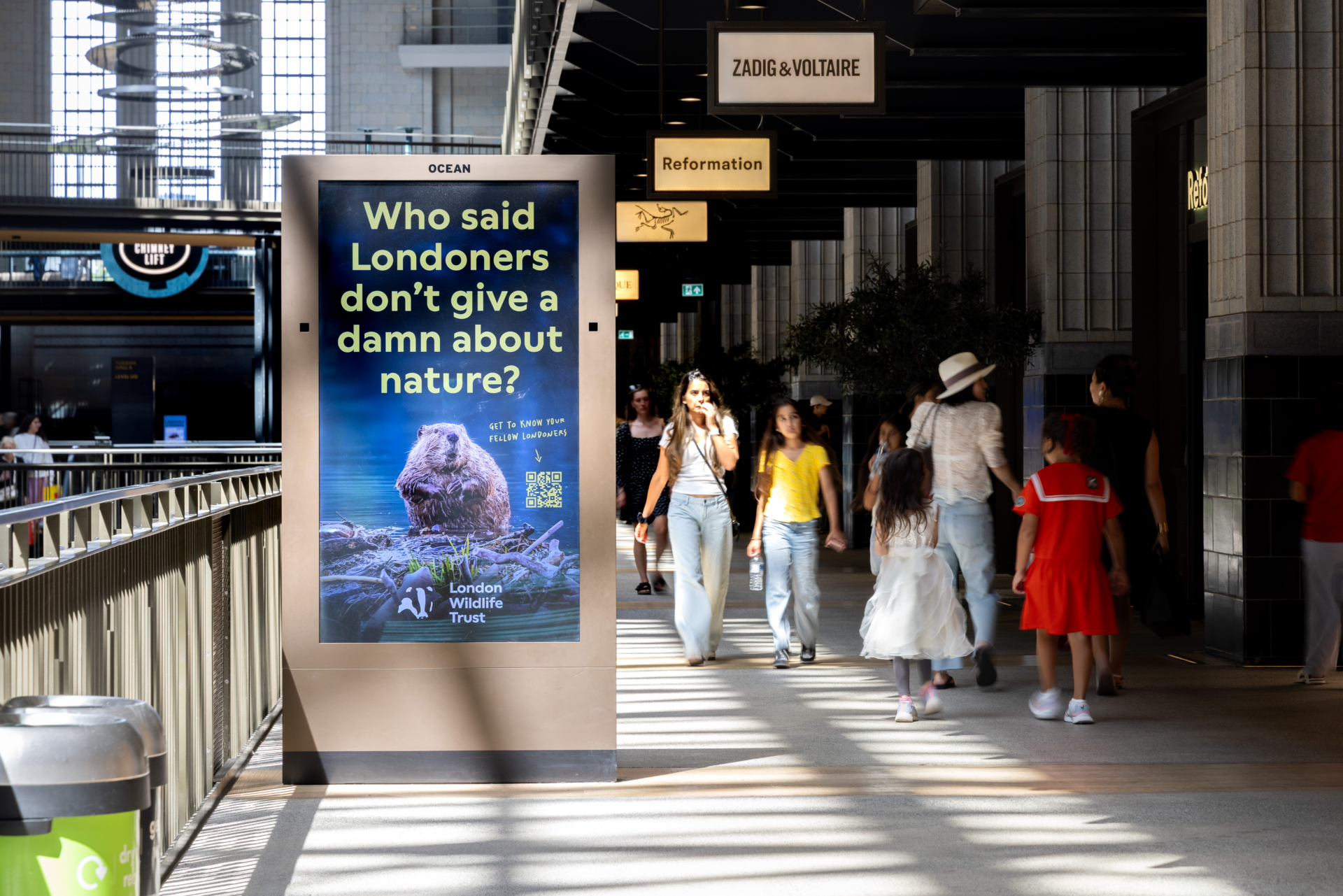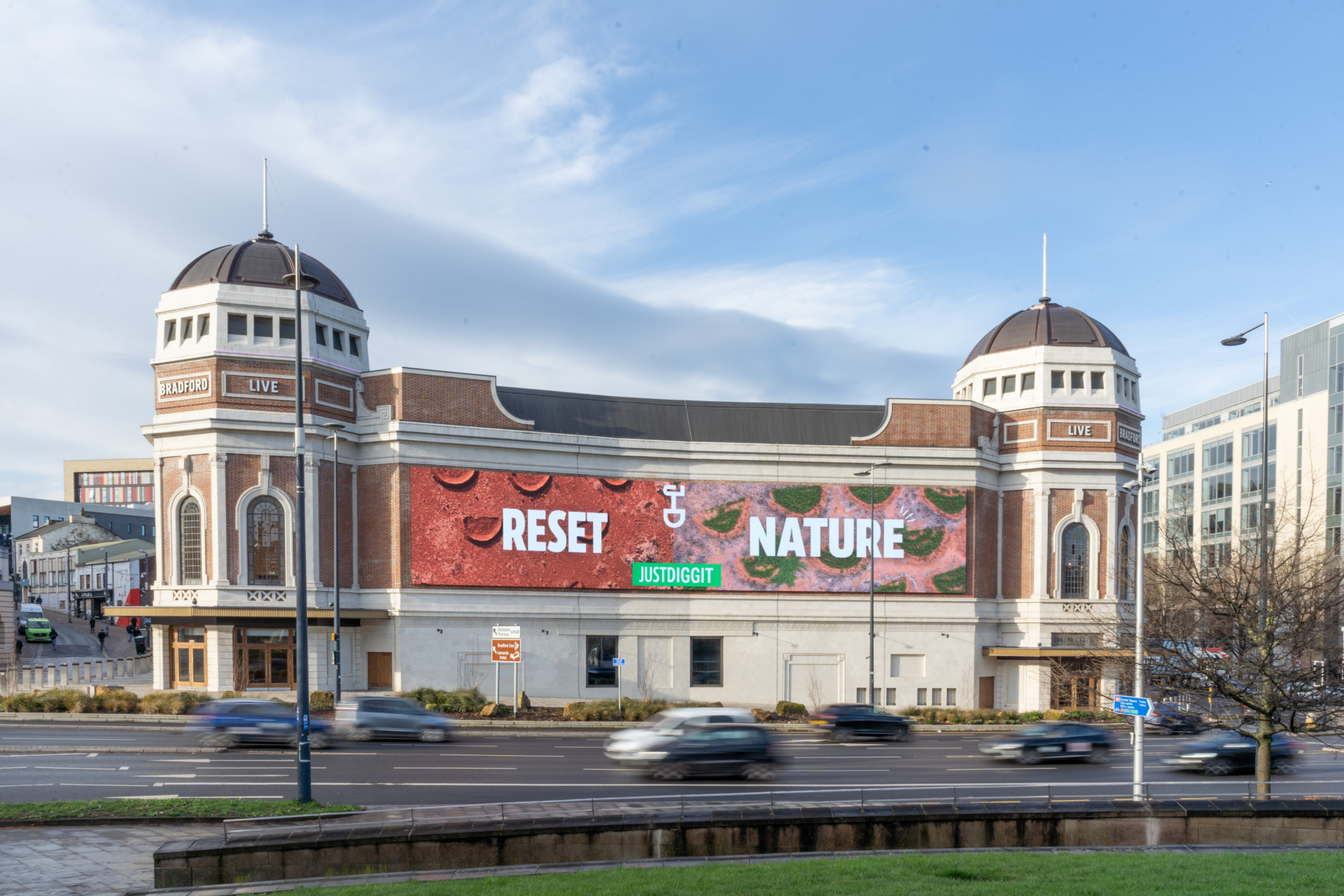
Ocean for Good brings together everything we do to reduce our environmental impact and create positive change.
Our impact so far
Every screen, a force for good
£
0
m
donated in screen space to environmental charities
0
kg
plastic waste cleared from our oceans and coastlines
0
sea turtles protected through marine conservation partners
0
%
reduction in Scope 1 and 2 emissions since 2022
0
UK locations supporting rewilding and biodiversity
From reducing emissions and improving the efficiency of our screens, to working with our suppliers, restoring nature, supporting environmental organisations and empowering our people to take action, Ocean for Good is how we’re putting sustainability into practice across our business.
Explore the ways we’re making a difference below.
Our goals
We have already surpassed our 2030 Scope 1 and 2 emissions reduction target, achieving an 85%+ reduction against our 2022 baseline, five years ahead of schedule.
In 2025, our total reported carbon footprint fell to 7,058 tCO₂e, a 7.6% reduction compared with 2024. Our focus now is on reducing emissions across our value chain as we work towards a 25% reduction in Scope 3 emissions by 2030 and net zero by 2040.
Science-backed. Independently recognised.
We’re proud that our net zero targets have been validated by the Science Based Targets initiative (SBTi) and that we are certified to ISO 14001. These independent standards help ensure our sustainability commitments are robust, credible and embedded in how we operate. We measure our greenhouse gas emissions annually to understand our biggest impacts, track progress and identify further opportunities to reduce emissions.

How we’re making a difference
Through Ocean for Good, we’re taking action across our business, from reducing our carbon footprint and making our operations more responsible, to restoring nature, supporting environmental organisations and empowering our people and industry.

Responsible operations
Discover how we’re reducing emissions, improving screen efficiency and working with our suppliers to reduce our environmental impact.

Ad Net Zero
We’re working with Ad Net Zero to drive industry-wide progress, share practical insights and help build a more sustainable advertising industry.
Rewilding
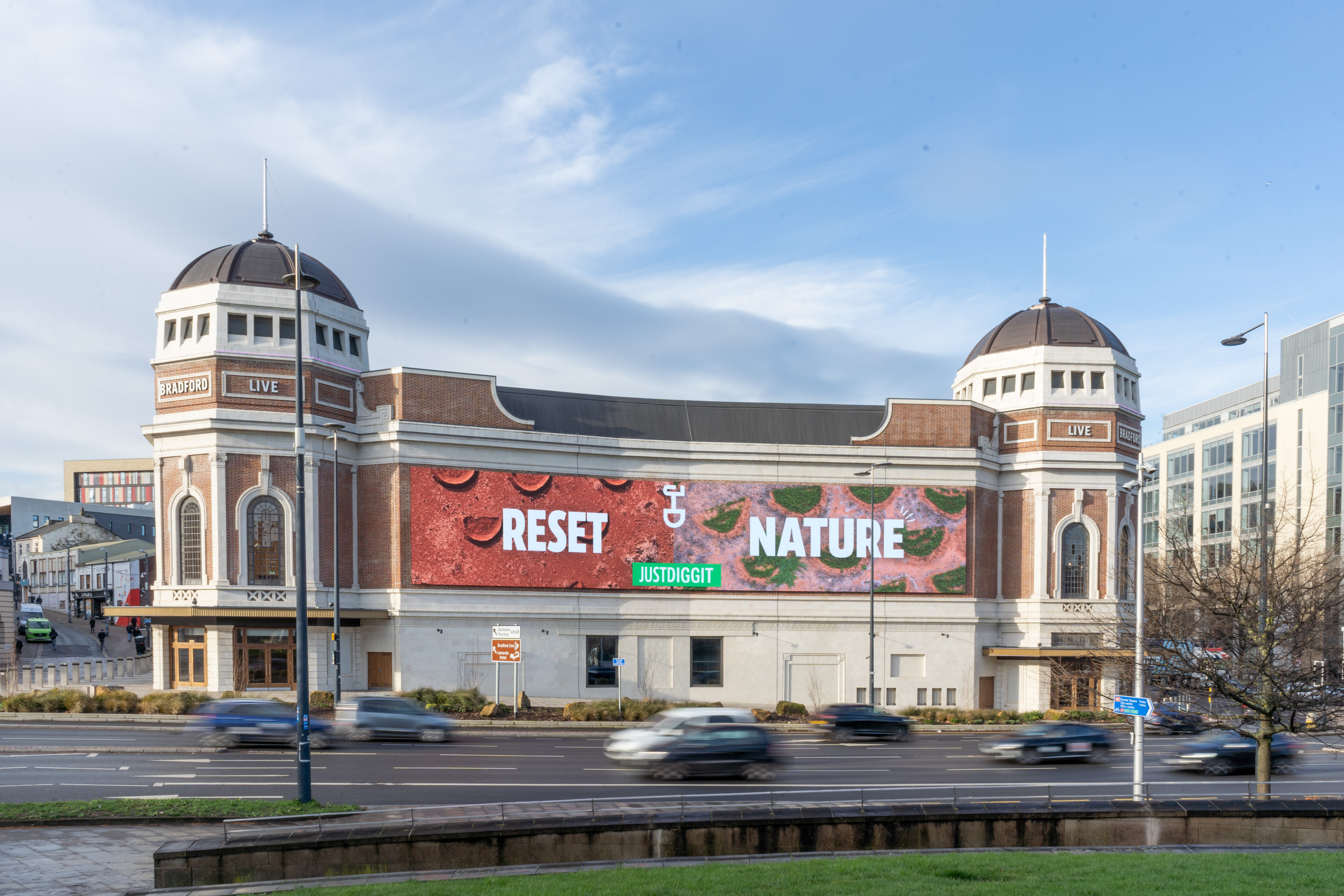
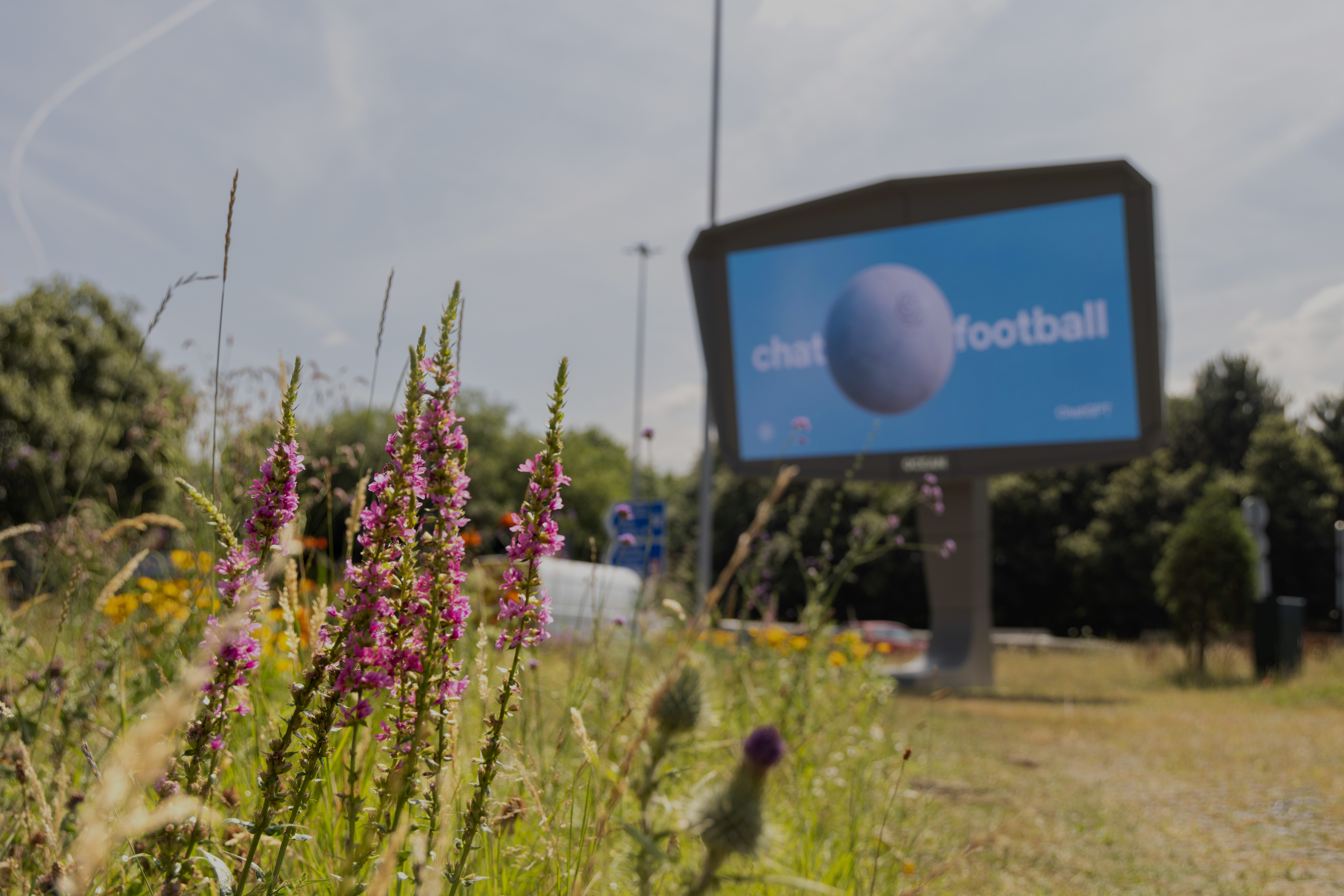
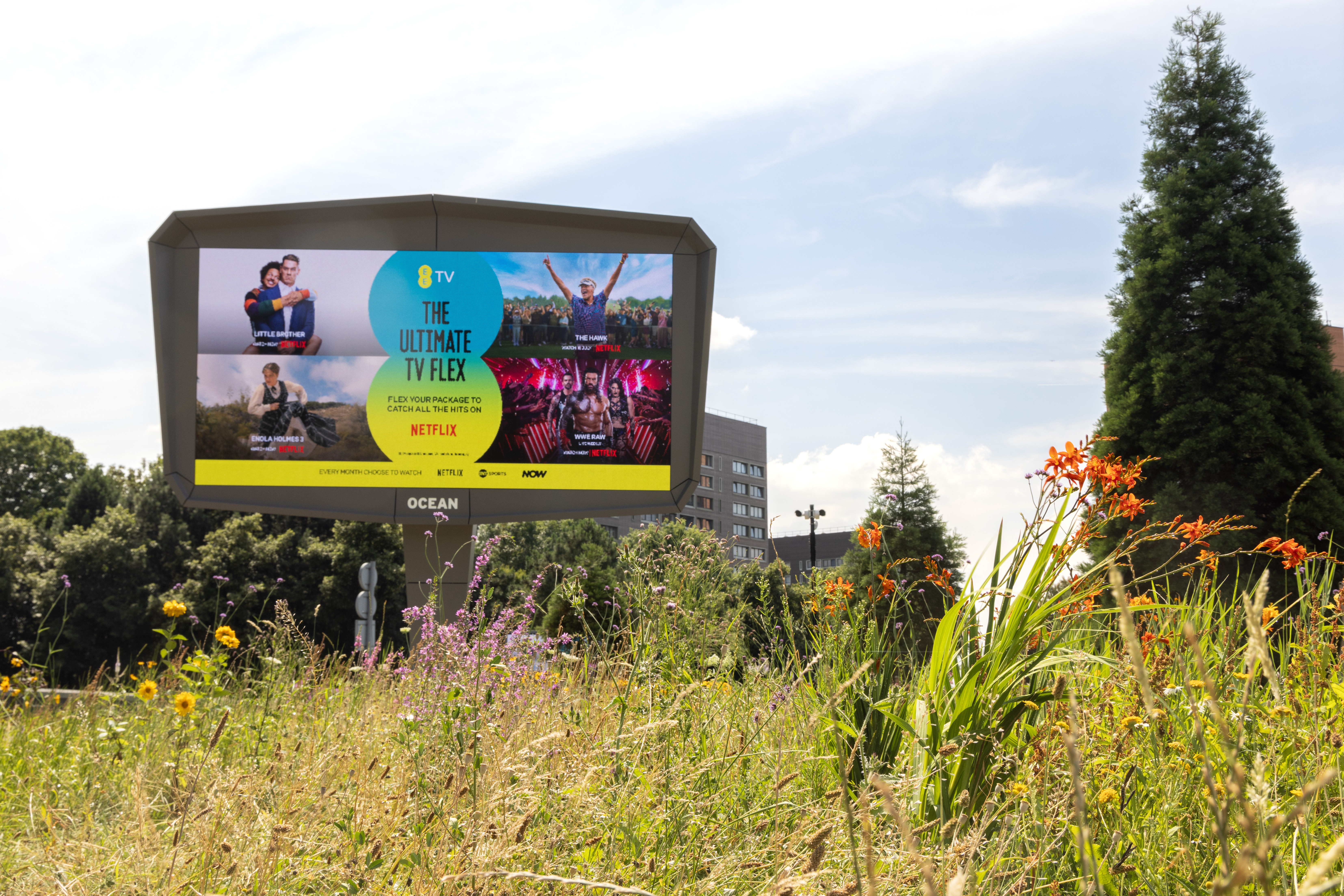
With an extensive physical footprint, see our efforts to rewild and create wildlife corridors in our cities.

Drops in the Ocean
We donate 2% of our annual revenue in advertising space to environmental charities, helping them reach millions of people and amplify their messages through our digital screen network.

Pinwheel partnership
Through the first climate-linked revenue model in OOH, we turn year-on-year growth with participating agency partners into funding for marine conservation projects they vote for.

Volunteering
Find out about our environmental volunteering initiatives.
Our scopes
Understanding our carbon footprint is an important part of reducing it. We measure and report our greenhouse gas emissions across all three scopes, helping us understand our impact, from the energy we use directly to the emissions generated throughout our supply chain.

-
Scope 1 covers emissions from sources we own or control directly, such as fuel used in company vehicles and gas consumed in our offices.
In 2025, Scope 1 accounted for approximately 1.1% of our total reported footprint.
We continue to look for opportunities to reduce direct fuel use and improve the environmental performance of our operations.
-
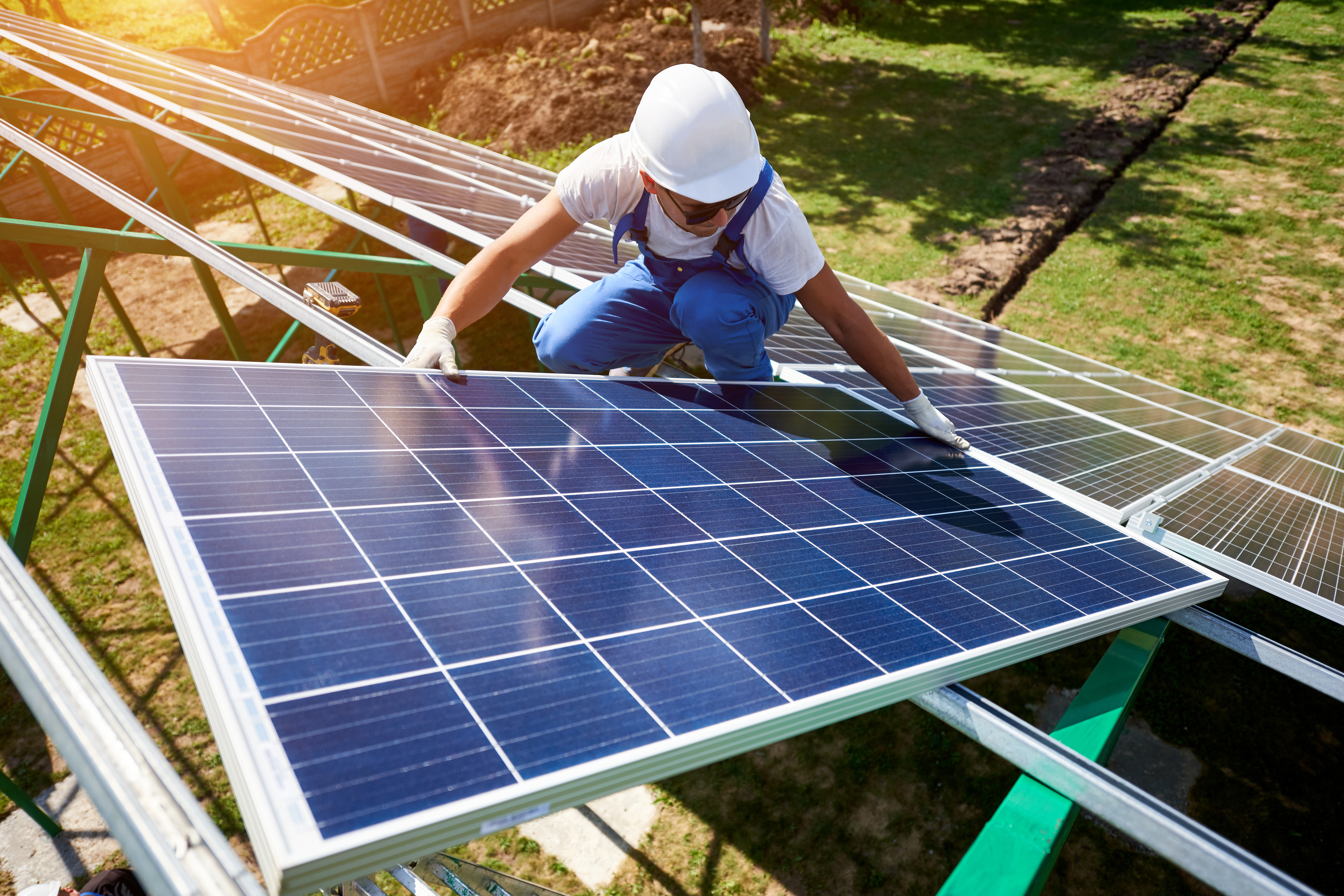
Scope 2 covers indirect emissions from purchased electricity used in our offices and the screens where we control the electricity supply.
In 2025, our market-based Scope 2 emissions were approximately 4.9% of our total reported footprint.
Since 2019, electricity sourced and paid for by us has been 100% green from sustainable suppliers. We also work to manage energy use through efficient LED technology, automatic dimming and operating-hour controls. In Q1 2024, we upgraded the LED lighting at BFI IMAX, reducing energy use by 30%.
We also consider light pollution when operating our screens, adjusting brightness and operating hours where appropriate to help limit unnecessary impact on surrounding environments.

-
Scope 3 covers other indirect emissions across our value chain, including purchased goods and services, screen hardware, electricity used by landlord-owned screens, business travel and employee commuting.
In 2025, Scope 3 accounted for approximately 94% of our total reported footprint. This is where our biggest opportunities for further reductions lie.
Our three largest sources were purchased goods and services, capital goods such as screen hardware, and electricity used by landlord-owned screens. Together, these accounted for just over 70% of our total footprint.
We’re working with our suppliers to improve emissions data, understand the impact of our technology and installations, and identify opportunities to reduce emissions through more efficient equipment and responsible procurement.
We’re also encouraging lower-impact choices across our business, including prioritising rail travel where practical, supporting cycling to work and reducing waste in our offices.
OOH is the most sustainable advertising platform
- OOH advertising accounts for just 0.067% of UK power consumption.*
- Digital OOH represents just 0.03% of the UK’s 100 million digital screens.**
Sources: *Sustainability in Out of Home report, 2024. **The Drum, 2023